 METRO APPARELS
2026-09-02
How to Order Custom Coveralls for Oil and Gas Companies
Oil and gas coveralls are ordered by companies that already know the garment their customer wears. The factory’s job is to develop that garment, not to announce an operator approval. Metro Apparels will pattern a coverall from a tech pack or a reference. It will not state that the result is accepted by an oil company.
Send the reference, not a mood
Useful files show the front, back, collar, cuff, pocket flaps and any tape. They name the cloth or they attach a swatch. They include the size that should be sampled, usually the middle of the chart, plus the full grade. A single front photo is enough to start a conversation and not enough to cut a sample that you can approve.
If the reference is described internally as ADNOC-style, KOC-style or KNPC-style, use those words as a filing name and still send the garment. The style pages on this site exist so those requests are not mixed into a general navy coverall. They are explicit that approval is not claimed.
Separate the cloth from the cut
A standard polycotton or cotton drill can be cut as an oil-and-gas-looking coverall. That is a cut. If the wearer population requires a flame-resistant or meta-aramid cloth, the cloth has to be specified and documented by the buyer. The factory will not relabel a drill as FR to match a tender line.
| You want | You should send |
|---|---|
| Same pockets as the current coverall | The garment or a measured sketch |
| A named FR cloth | The cloth specification and its documents |
| Tape in set positions | A flat diagram |
| Your brand in the collar | The label artwork |
Sampling and the repeat
Approve fit on the body size your customer complains about most, not only on a showroom sample. Check pocket reach and the knee. When the coverall is approved, the next order should cite that sample number. A new tape layout is a new sample.
Indicative coverall slabs on standard cloth are visible on the product page. FR and operator-reference cloths are custom prices because the cloth, not the sewing pattern, drives the cost. Request the quotation with the reference attached.
Keeping a reference file that a colleague can use
Oil and gas accounts outlive the person who first sent the sample. Store the approved photos, the cloth note, the tape diagram and the sample reference where a colleague can find them. The next email to the factory should not depend on memory. A new buyer in your company who says “make it like last time” without the file will receive questions, and those questions are the correct response.
If the end client changes the pocket map, version the file. Call it a new sample, not a note in the margin of the old one. Version numbers are dull and they stop a container of the old pocket arriving after the client has moved on. Style development is only useful if the version you approved is the version you reorder.
Build the file around the reference, not around a category name
Oil and gas coveralls are often bought as a known garment with a company colour, a pocket for a badge, and a tape layout somebody drew years ago. The category name on a website is only a door. The specification is the garment you send. Metro Apparels develops that garment as a style. If your reference is a standard polycotton drill, the sample is a standard polycotton drill. If your reference is an inherently flame-resistant cloth, send the cloth and its documents. The shape alone does not carry the cloth.
Operator names need the same separation. A request that mentions ADNOC, KOC or KNPC is a request to follow a reference your customer uses. It is not a statement that the factory is approved, listed or authorised by that operator. Style pages use “style” and “available to required specification” for this reason. If a tender needs an approval you do not have, do not paper over it with a similar coverall.
Pockets, tape and the sample someone will wear
Draw the pockets. Count them. Say which ones have flaps, which ones must fit a radio or a badge, and which side the pen pocket sits on. A coverall with “enough pockets” will come back with a sensible set that is not your set. Tape should be a diagram: colour, width and where it stops. “Same as last time” is acceptable only when last time is a sealed sample in the file, not a memory of a crew on a site.
Have one person who wears this kind of coverall try the sample if you can. They will notice a knee that bags, a neck that rubs, and a pocket that looks correct and does not open with a glove. Those notes belong in the approval. A sourcing office that approves on a table will approve a garment the site then rejects, and the rejection will arrive as a quality claim. It was a fit claim. Write it while the sample is still the only garment, not after a bulk is cut.
- Reference garment or a measured sketch.
- Cloth named, including whether FR is actually required.
- Pocket count and a tape diagram.
- Size chart used by the issuer, not a fashion block.
- A version number when the pocket map changes.
Reorders and versions
Give the approved coverall a version. The first bulk is version one. A badge pocket that moves is version two, even if you wish it were a note in the margin. Reorders cite the version. If two sites need two versions, they are two styles, and they should not share a carton code. Crews will receive the wrong pocket map, and the explanation will take longer than the second code would have taken.
Keep the photographs, the cloth line and the sample reference where a colleague can find them. Oil and gas accounts outlast the person who opened them. The next email to Sialkot should attach the file, not reconstruct it. When you are ready, send the reference and the quantity. Ask for an Ex-Works quotation and a sample. Ask for flame-resistant documents only if that cloth is the one you are buying.
Store the approved sample where the next purchase order is raised, not in a project folder that only the original buyer can open. Oil and gas files move between offices. The sample reference has to move with them. When a site asks for a small change, version it before the factory is told, so the running crews keep the coverall they already have. And if the conversation turns to flame resistance, pause and name the cloth. A clear “this lot is standard drill” is a professional answer. A vague agreement that the shape looks like a fire suit is how a tender picks up a claim nobody can support.
Will you say the coverall is operator approved?
No.
Can the same pattern be used in a non-FR cloth?
Yes, if you accept that the cloth claim changes and the sample says so.
What is the MOQ?
Standard styles start at 50. A specified FR cloth may have a practical minimum confirmed in the quote.
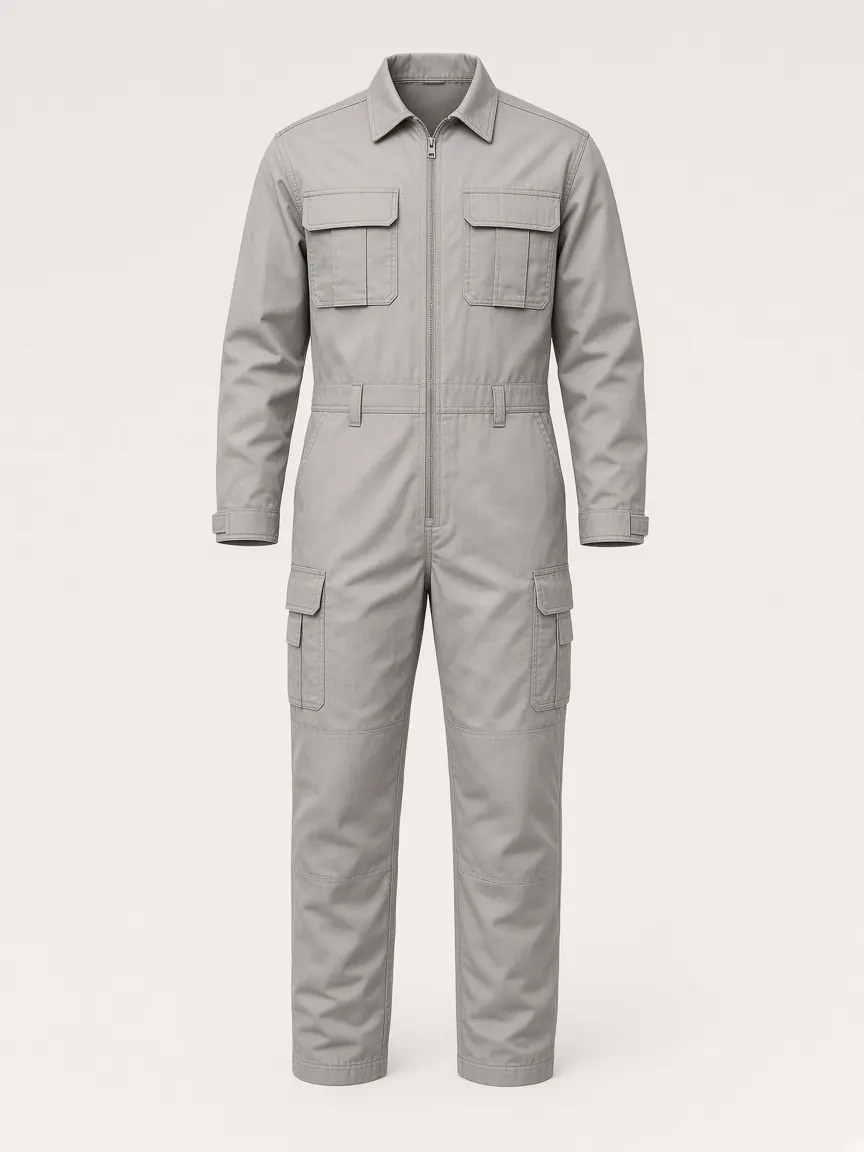
Oil & Gas Coverall
A coverall developed from an oil and gas buyer’s existing specification.
$21.50EX-WORKSIndicative wholesale price. Indicative Ex-Works wholesale price. Final quotation depends on fabric, construction, branding, packaging and specifications. Shipping, duty, VAT and customs are not included.
Request Wholesale Quote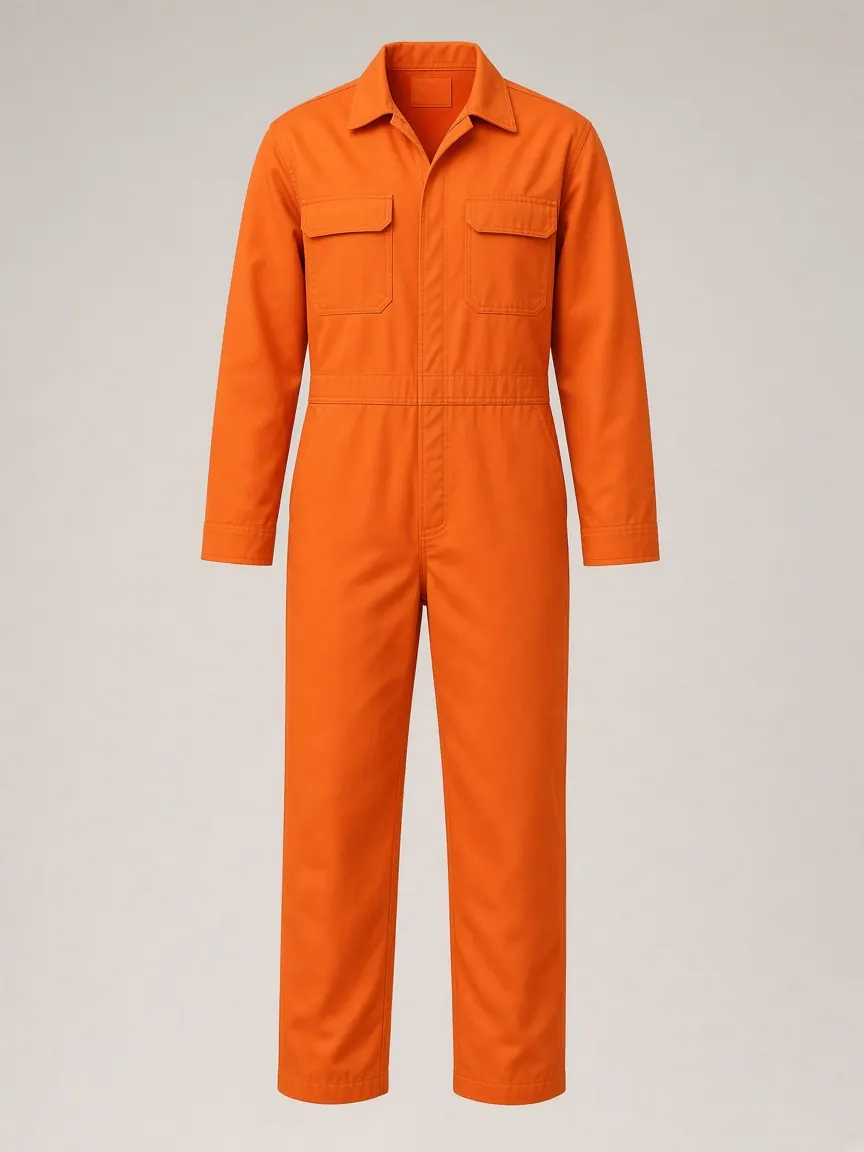
Fire-Retardant Coverall
A one-piece coverall for buyers who specify an FR cloth.
Request custom price
Indicative wholesale price. Indicative Ex-Works wholesale price. Final quotation depends on fabric, construction, branding, packaging and specifications. Shipping, duty, VAT and customs are not included.
Request Wholesale Quote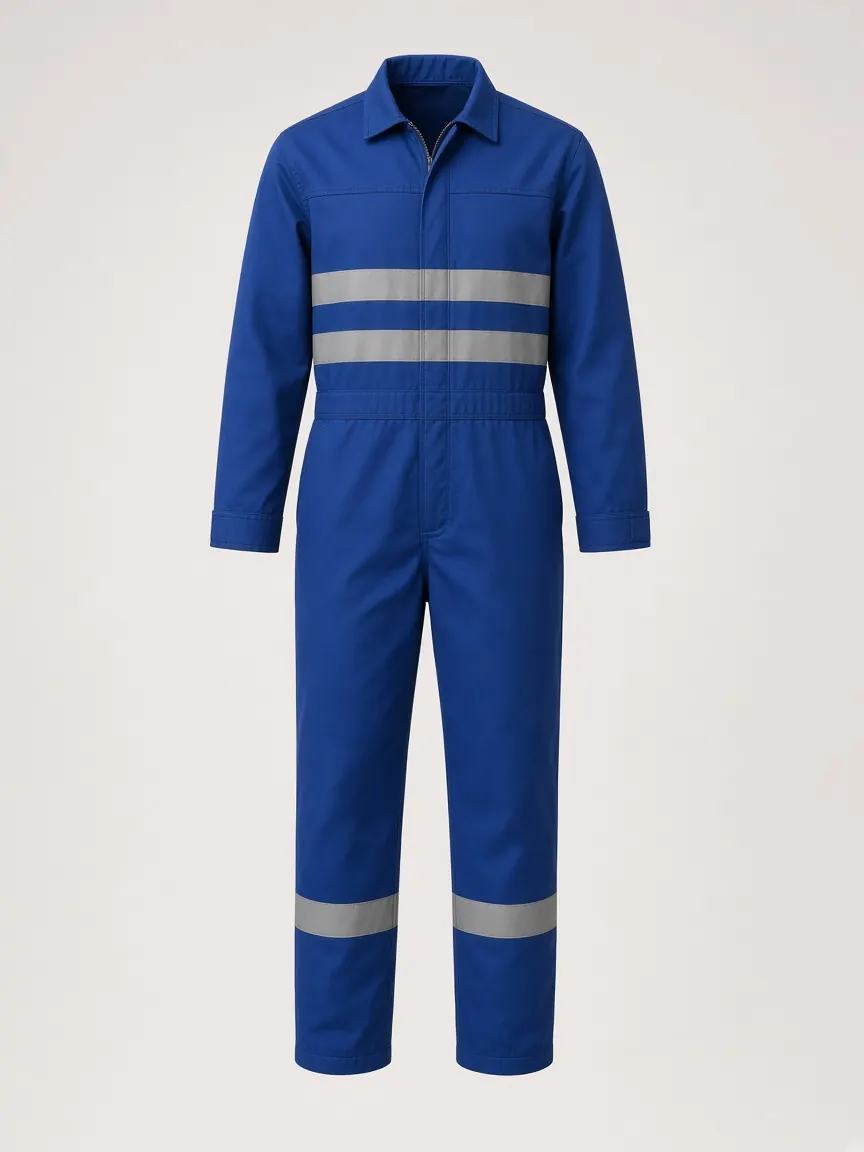
ADNOC-Style Coverall
A coverall patterned from an ADNOC reference garment.
Request custom price
Indicative wholesale price. Indicative Ex-Works wholesale price. Final quotation depends on fabric, construction, branding, packaging and specifications. Shipping, duty, VAT and customs are not included.
Request Wholesale Quote