 METRO APPARELS
2026-09-18
How to Reduce Wholesale Workwear Costs Through Better Quantity Planning
The cheapest-looking unit price is not always the cheapest purchase. A 1,000-piece slab that sits in a warehouse for a year costs more than a 300-piece slab that sells. Quantity planning is the habit of matching the cutting to demand you can defend, using breaks that are visible before you negotiate.
How the slabs are built
Priced styles on this site show indicative Ex-Works steps at 50, 100, 300, 500, 1,000 and, where a figure is set, 5,000 pieces. Each step is lower than the one before it. The 50-piece price is the cost of a short cutting, including the setup of cloth, lay and labels. The 1,000-piece price spreads that setup.
The figures are editable in one pricing file and they are not a market survey. They are a starting architecture so a buyer can see the shape of the cost. A quotation replaces them when the specification is real.
A planning method
- Forecast the style, not the category. Shirts and coveralls do not share a forecast.
- Split the forecast by size if you can. A total of 500 with no ratio is not yet a cutting.
- Price the break you will cut, then the break above it.
- If the step to the next break is small and the stock risk is small, take it.
- If the step saves little and the size mix is uncertain, stay on the lower break.
| Situation | Usually sensible |
|---|---|
| New style, unknown sell-through | 50 or 100, then repeat |
| Known replenishment | 300 to 1,000 against the ratio |
| Many colours | Reach the slab per colour, or reduce colours |
| Uncertain FR cloth | Custom quote, not the cotton slab |
Where savings are fictional
Adding a colour to “make the quantity” creates a slow colour. Combining two fits into one code creates returns. Comparing an Ex-Works 1,000-piece price with a competitor’s landed 100-piece price creates a false gap. Put freight back in before you decide the factory is cheaper.
Decoration can erase a slab saving. A large embroidery on a 500-piece shirt can cost more than the difference between the 300 and 500 cloth price. Ask for the decoration as its own line.
Colour count is a quantity decision
Four colours at 50 pieces is not the same program as one colour at 200. Each colour has its own shade approval and its own slow-seller risk. If you need the 300-piece slab, earn it in the colours that sell, not by inventing a fourth colour the catalogue looks nicer with. Retailers remember the colour that did not move.
The same applies to fits. A men’s and a women’s coverall are two quantities. Do not add them together to reach a slab and then cut them as one pattern. The women’s block exists so that shortcut is unnecessary. Plan each block against its own demand, then accept the slab that block actually earns.
The slab you can sell, not the slab that looks lowest
Indicative prices step down at 50, 100, 300, 500, 1,000 and, on some profiles, a further step or a custom price at 5,000. The step is only a saving if that many pieces of that style and colour will leave your warehouse. A buyer who orders 1,000 to reach a number, and then sells 400, did not buy a lower unit cost. They bought 600 pieces of storage. Price the quantity that matches a season you have already seen, then look at the next step and decide with your eyes open.
Colour multiplies quantity. It does not combine it. Four colours at 80 pieces are four small dye lots and four slow-seller risks. They are not a 320-piece program in one colour. If you need the 300-piece cloth economics, earn them in the colours that already sell. A new colour is a commercial bet. It should be sized like a bet, often at the 50- or 100-piece step, until a reorder proves it.
Fits, sizes and the false total
A men’s coverall and a women’s coverall are two quantities and two patterns. Adding the pieces together to reach a slab, then cutting them as one block, gives you a garment that fits neither group well. The women’s styles exist so that shortcut is unnecessary. Plan each block against its own demand. Accept the slab that block earns. A slightly higher unit cost on a correct block is cheaper than a lower unit cost on a block you will discount.
Size ratios inside the quantity matter as much as the total. A 300-piece order that is heavy in small because the ratio was a default is not a 300-piece success. Write the ratio from your sales. If a size is uncertain, cut less of it. You can reorder a size that sold. You cannot easily uncut a size that did not. The factory’s job is to follow the ratio, not to improve it.
| Planning habit | What it does | Better habit |
|---|---|---|
| Chase the 1,000-piece step | Fills the warehouse | Price the season you can sell |
| Add colours to make a total | Creates leftover shades | Earn the step in a proven colour |
| Add men’s and women’s pieces | Hides two programs | Quote each block |
| Use a default size run | Leaves dead sizes | Use your own curve |
Repeats are where the cost actually falls
The quiet saving is not a heroic first order. It is a second and a third order of the same approved style, in a colour that already sold, at a quantity you can forecast. Shade approval is done. The label is done. The ratio is known. That is when the 300- and 500-piece steps become honest. A first order that tries to look like a fifth order usually carries development, uncertainty and leftovers.
When you ask for a quotation, say the trial quantity and the quantity you expect if the trial sells. Both numbers can sit on one page. You will see the step-down without being pushed into the larger one. Freight still sits outside. A lower Ex-Works unit that ships by air in a hurry can cost more than a slightly higher unit that goes by sea on a date you planned. Quantity planning includes the lane.
Is 5,000 pieces always priced?
Some profiles have an indicative 5,000 step. Others say request a price. Both are labeled as such.
Can we mix sizes inside the MOQ?
Yes. The MOQ is per style and colour, not per size, unless a quotation says otherwise.
Do slabs include shipping?
No. They are Ex-Works.
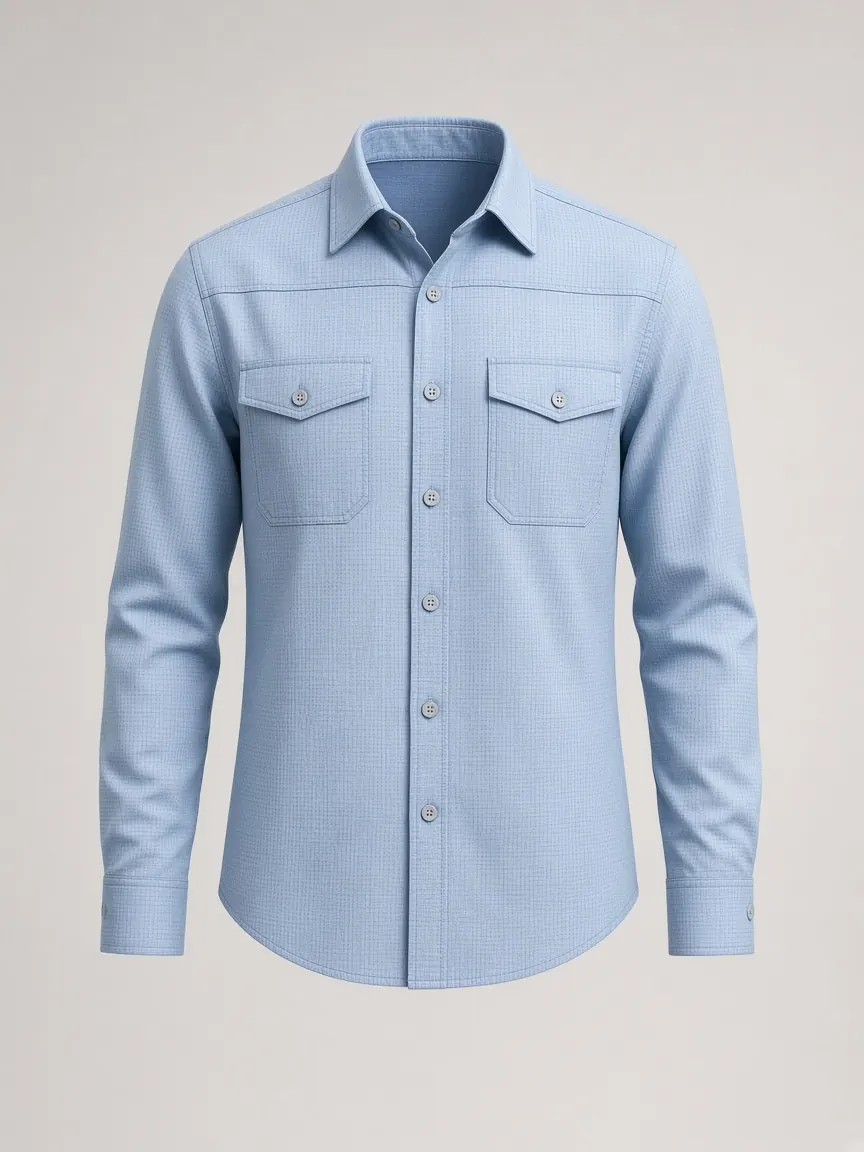
Workwear Shirt
A long-sleeve work shirt for uniform and industrial resale.
$11.50EX-WORKSIndicative wholesale price. Indicative Ex-Works wholesale price. Final quotation depends on fabric, construction, branding, packaging and specifications. Shipping, duty, VAT and customs are not included.
Request Wholesale Quote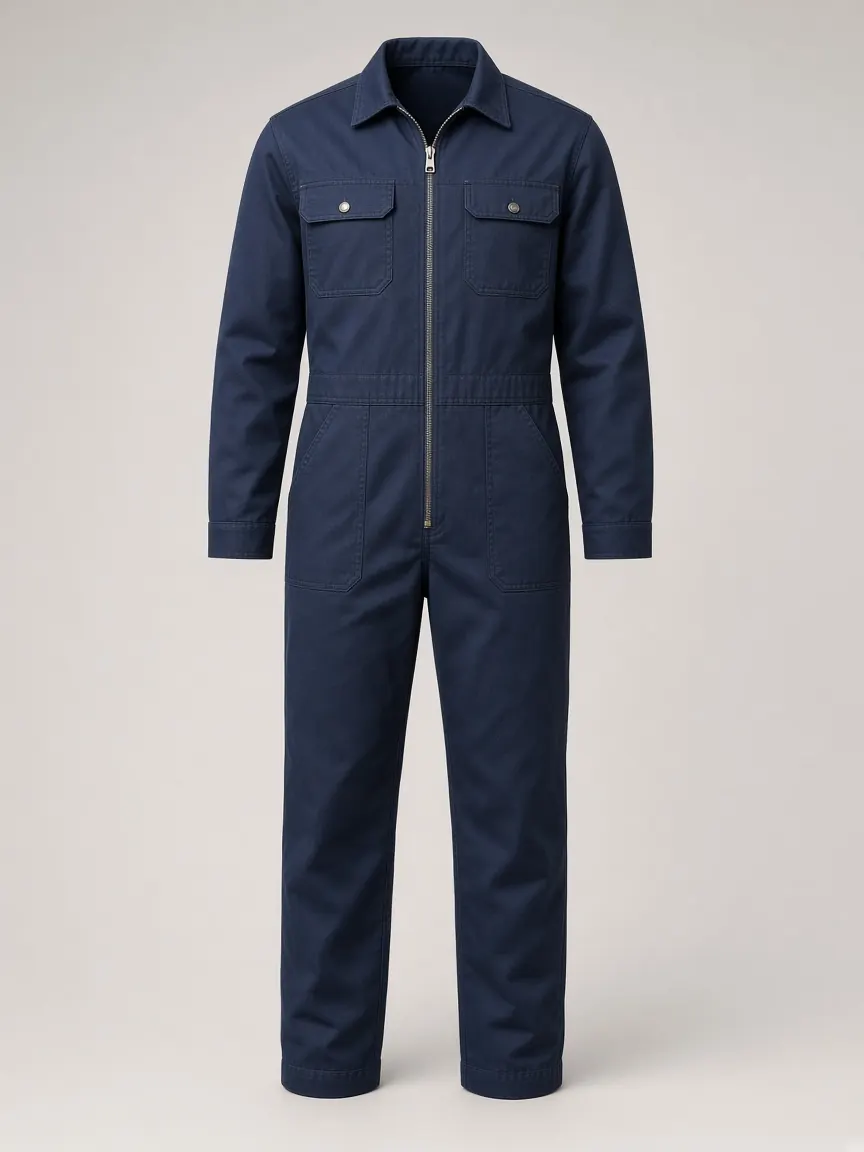
Industrial Coverall
The core one-piece coverall for multi-industry wholesale programs.
$21.50EX-WORKSIndicative wholesale price. Indicative Ex-Works wholesale price. Final quotation depends on fabric, construction, branding, packaging and specifications. Shipping, duty, VAT and customs are not included.
Request Wholesale Quote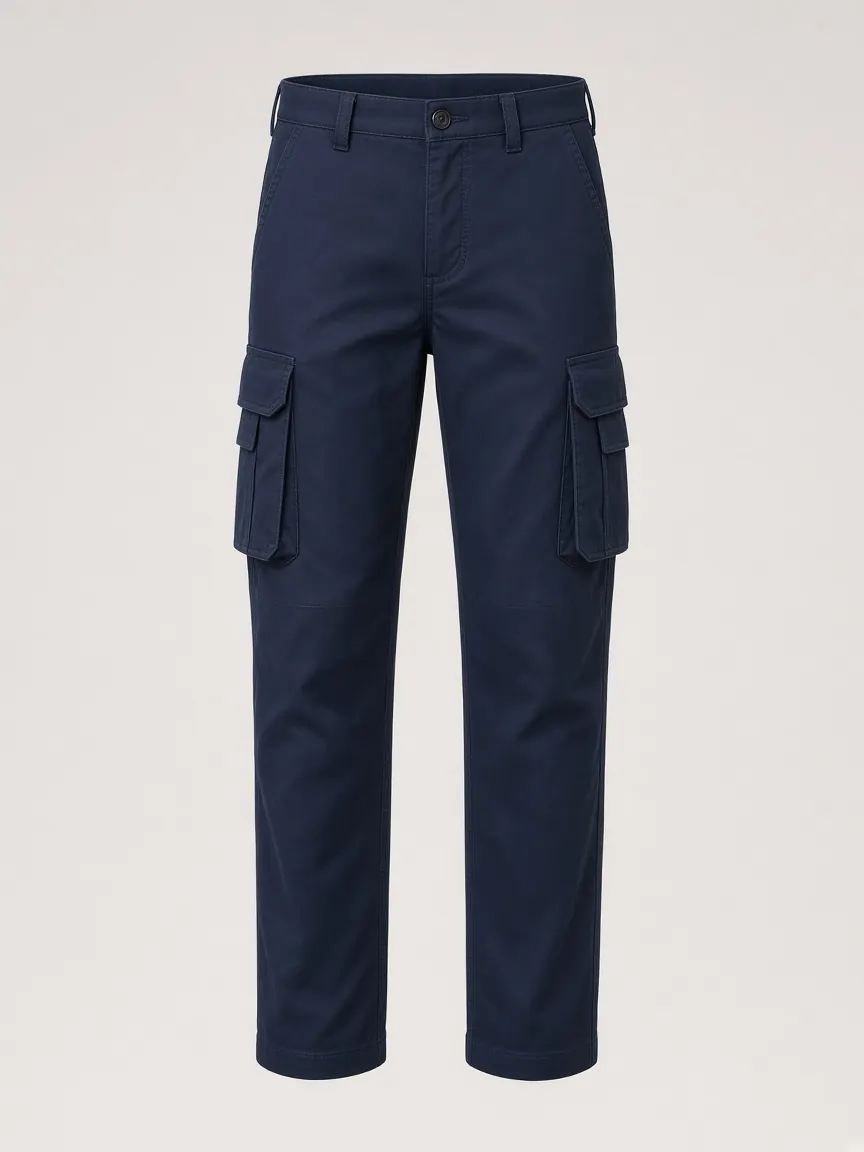
Cargo Work Trousers
Navy-capable cargo trousers with bellows thigh pockets.
$13.50EX-WORKSIndicative wholesale price. Indicative Ex-Works wholesale price. Final quotation depends on fabric, construction, branding, packaging and specifications. Shipping, duty, VAT and customs are not included.
Request Wholesale Quote